Run any model,
on any backend
100+ model families ported to pure Keras 3, with weights converted from the
original checkpoints. The same code runs on JAX, PyTorch and TensorFlow, and
nothing from transformers or torch is needed at
run time.
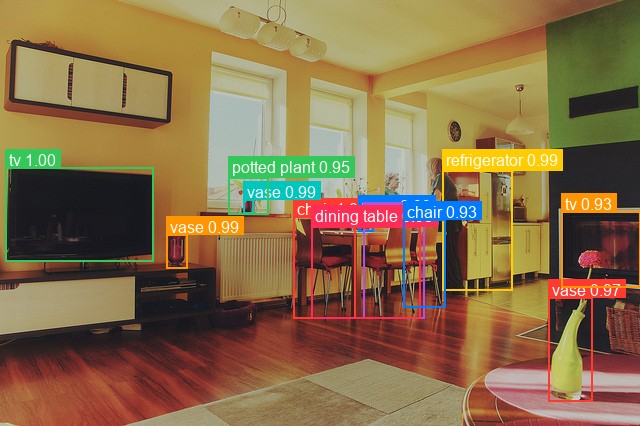 Object detection
DETR
Object detection
DETR
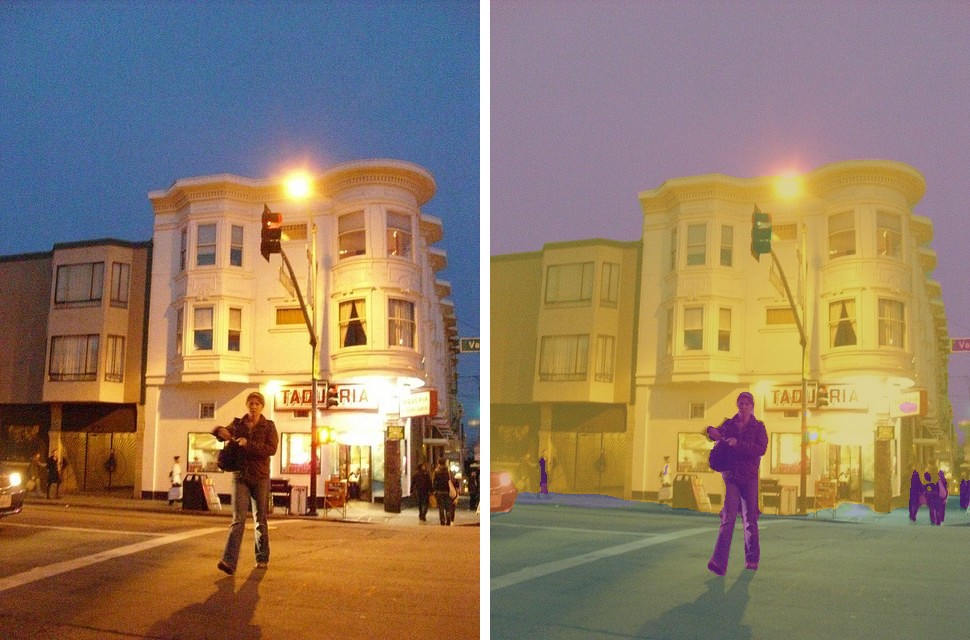 Segmentation
SegFormer
Segmentation
SegFormer
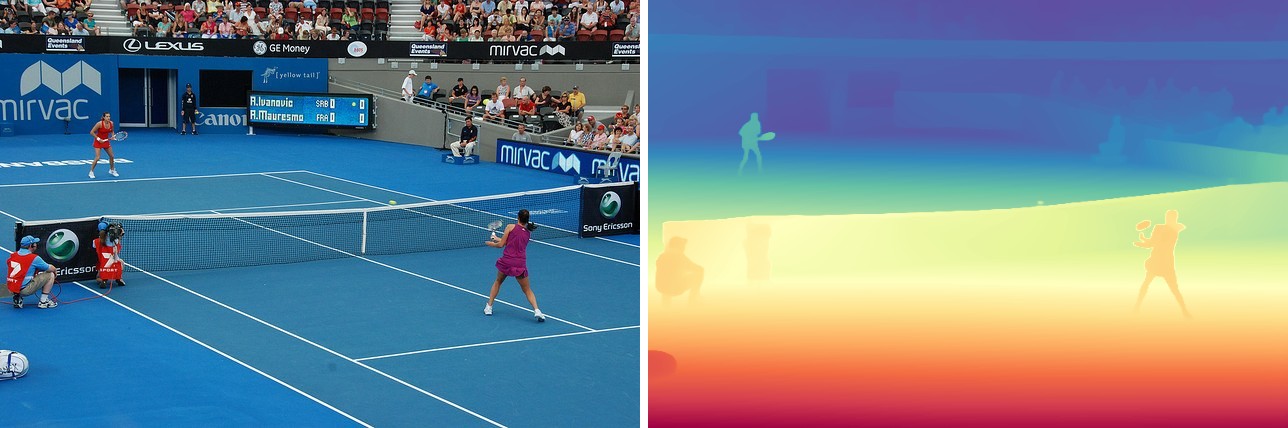 Depth estimation
Depth Anything V2
Depth estimation
Depth Anything V2
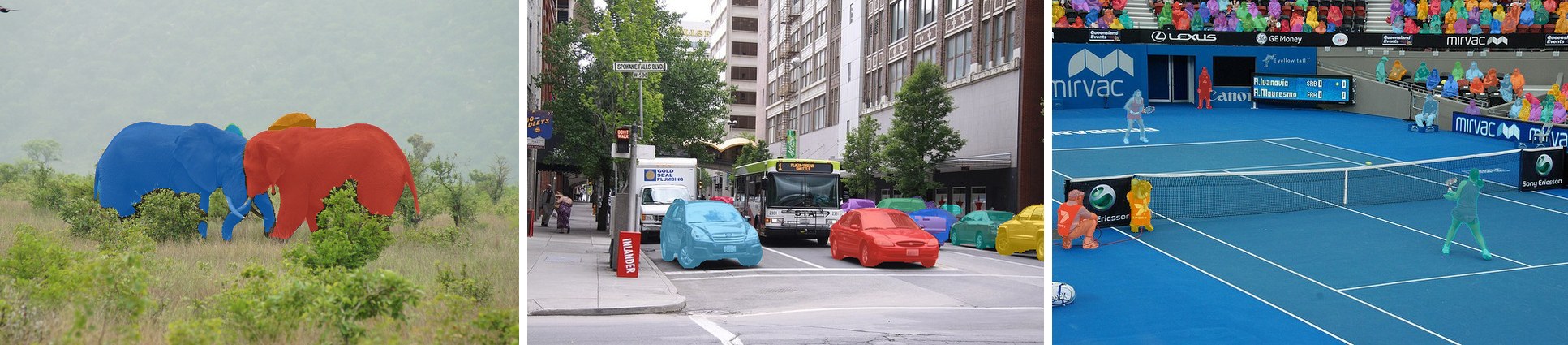 Promptable masks
SAM 3
Promptable masks
SAM 3
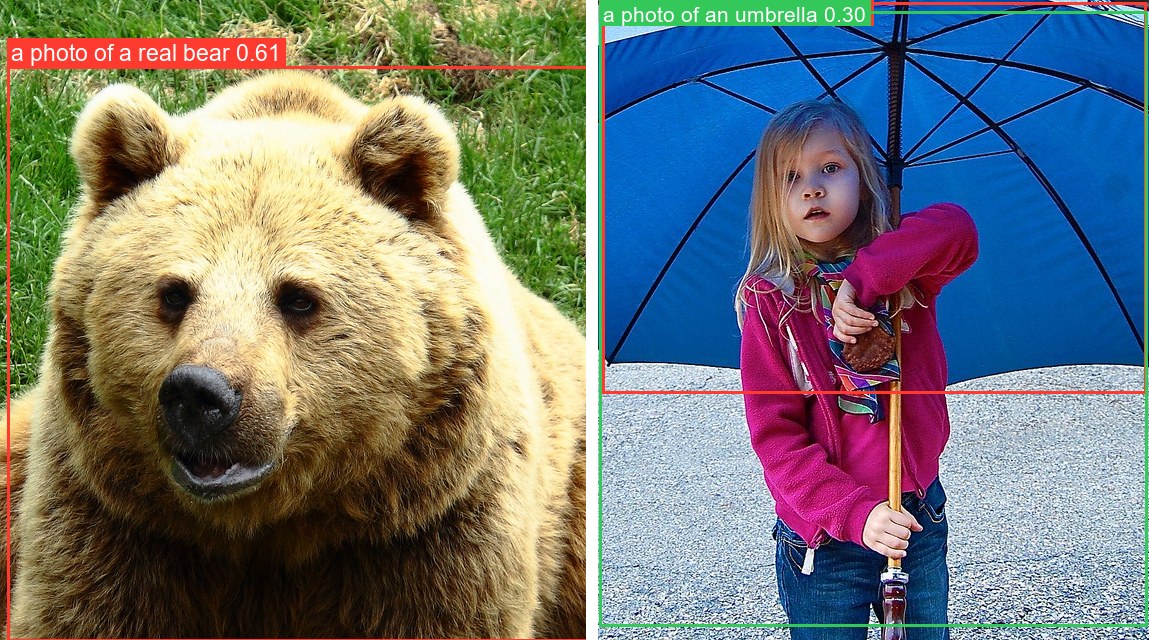 Open-vocabulary detection
OWLv2
Open-vocabulary detection
OWLv2
Two calls to a prediction
Build the model with from_weights, then feed it whatever its processor
produces. Every model in the library follows this shape, so moving between a
detector, a depth estimator and an LLM costs you nothing.
Weights come from the zeromodels org
on the Hub, and the same identifier builds both the model and its processor, so
the resolution and normalization always match the checkpoint.
import os

os.environ["KERAS_BACKEND"] = "torch"  # or "jax" / "tensorflow"

from PIL import Image
from zeromodels.models.detr import DETRDetect, DETRImageProcessor

model = DETRDetect.from_weights("zeromodels/detr-resnet-50")
processor = DETRImageProcessor.from_weights("zeromodels/detr-resnet-50")

image = Image.open("photo.jpg").convert("RGB")
output = model(processor(image)["pixel_values"], training=False)

results = processor.post_process_object_detection(
    output, threshold=0.9, target_sizes=[(image.height, image.width)]
)[0]
One call, three sources
from_weights dispatches on what you hand it: a preconverted Keras repo on the
Hub, a bare variant name that converts an upstream checkpoint on the fly, or any
compatible Hugging Face repo behind the hf: prefix. Architecture details,
including the class count of a fine-tune, are read from the repo config.
from zeromodels.models.qwen3 import Qwen3TextGenerate
from zeromodels.models.segformer import SegFormerSemanticSegment

# Preconverted Keras weights (zm_config.json)
SegFormerSemanticSegment.from_weights("zeromodels/segformer_b0_ade_512")

# Bare variant: converted from upstream on the fly
Qwen3TextGenerate.from_weights("qwen3-8b")

# Any Hub repo with a matching model_type
SegFormerSemanticSegment.from_weights("hf:nvidia/segformer-b0-finetuned-ade-512-512")

# Architecture only, randomly initialized
SegFormerSemanticSegment.from_weights(
    "zeromodels/segformer_b0_ade_512", load_weights=False
)
Measured outputs, not illustrative ones
Every figure and every printed result on a model page comes from actually running the snippet beside it on the image or audio clip shown. Nothing is hand-written to look plausible, so what you read is what you get when you run it yourself.
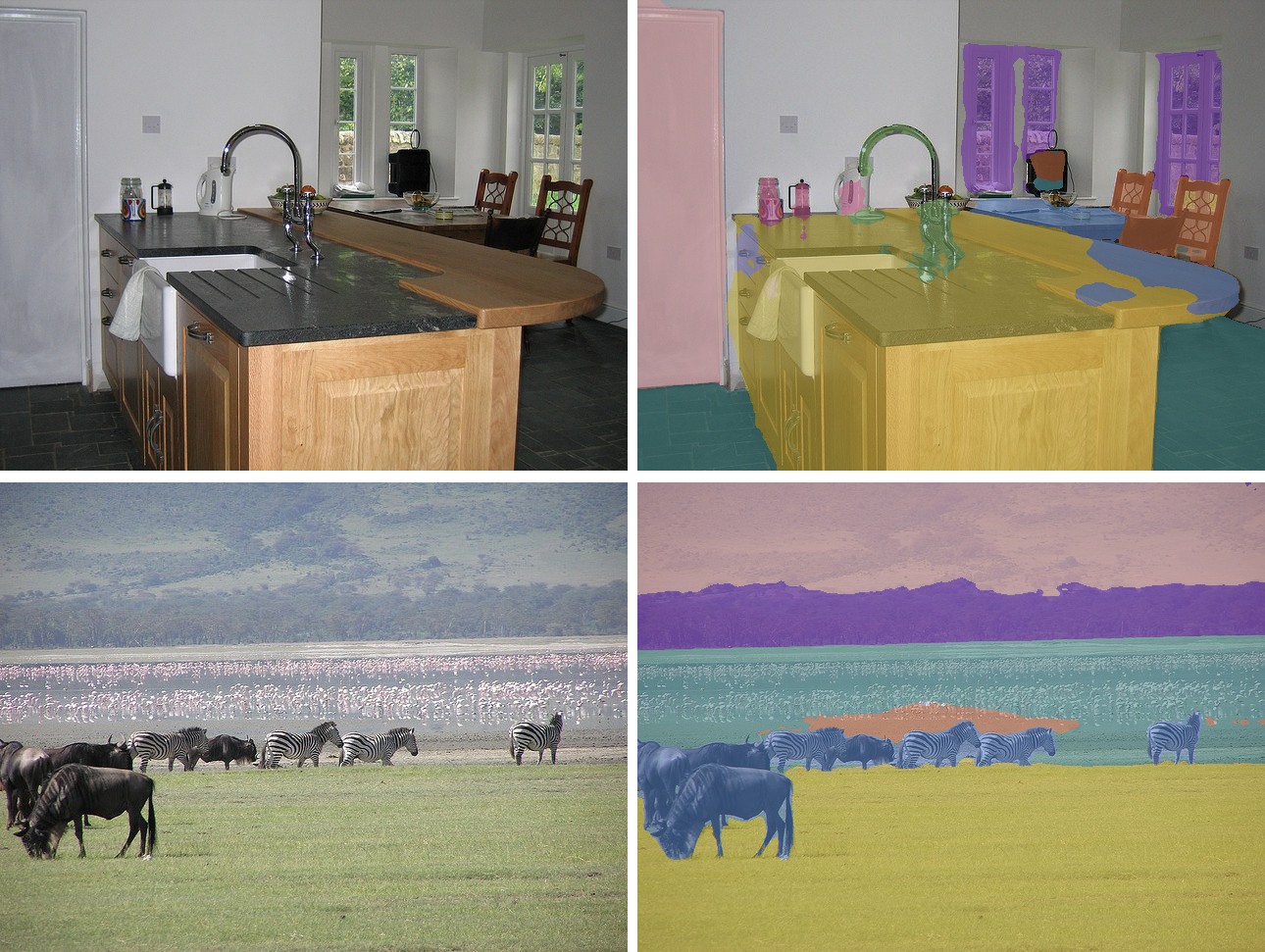
Any backend, either data format
Set KERAS_BACKEND before importing Keras and the rest is unchanged. Models
read keras.config.image_data_format() when they are constructed, so set
that first too if you want channels_first; processors take a per-instance
data_format argument.
Large checkpoints, as they ship
- GPT-OSS 120B loads at bfloat16 with its MoE experts left packed in MXFP4 and dequantized on the fly, so it stays near 66 GB instead of the ~130 GB an fp32 expansion would cost.
- Weight-only int8, int4, fp8 and mxfp4 are arguments to the same
from_weightscall, on any model.
Quantization · int8 · int4 · fp8 · mxfp4
from zeromodels.models.gpt_oss import GptOssTextGenerate

# Experts stay packed in MXFP4, dequantized in the expert layer's call
model = GptOssTextGenerate.from_weights("zeromodels/gpt-oss-120b")

# Quantize weight-only on the way in, for a smaller footprint again
model = GptOssTextGenerate.from_weights("zeromodels/gpt-oss-120b", quantization="int8")
Where to start
Vision
Detection, segmentation, depth, and self-supervised backbones.
DETR · SegFormer · SAM 3 · Depth Anything V2 · DINOv3
Text
Encoders and decoder LLMs, dense and mixture-of-experts.
BERT · Llama · Qwen3 · Gemma 4 · DeepSeek-V3
Multimodal
Vision-language generation, grounding, and text-to-image diffusion.
Qwen3-VL · InternVL · Kimi K2.5 · LocateAnything · Stable Diffusion · Qwen-Image · Qwen-Image-2.1
Ready to use ZeroModels?
One install, 118 model families, three backends.